Solar Vegetative Screening for Illinois Solar Farms
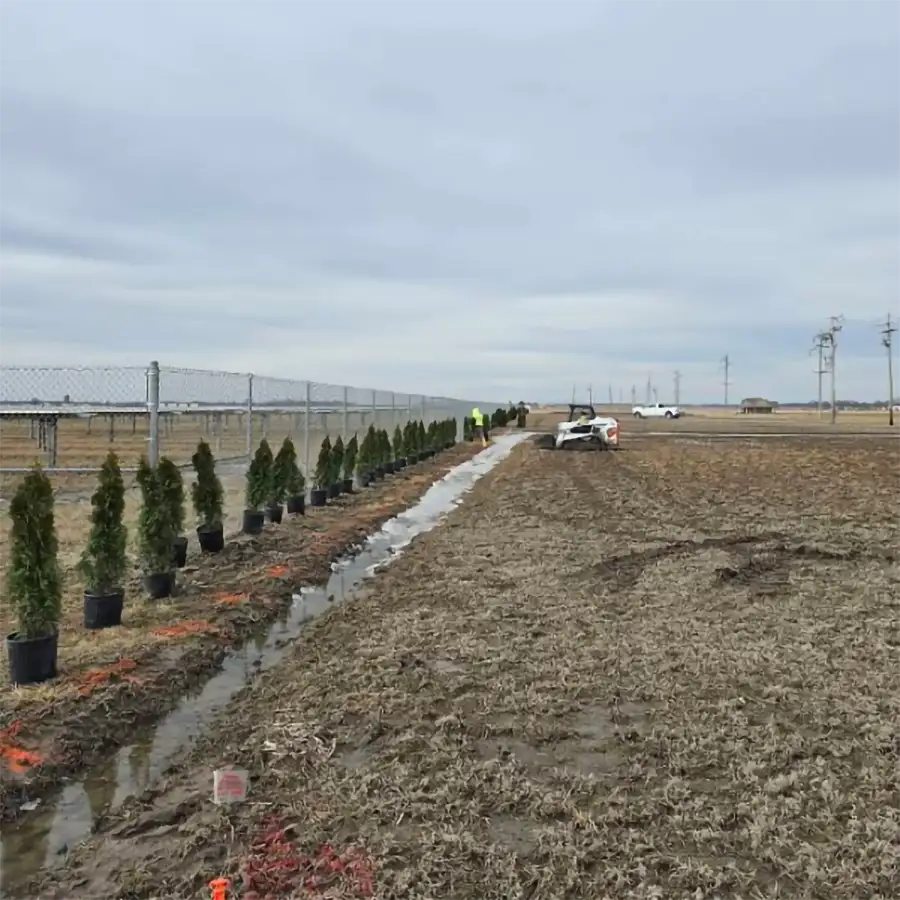
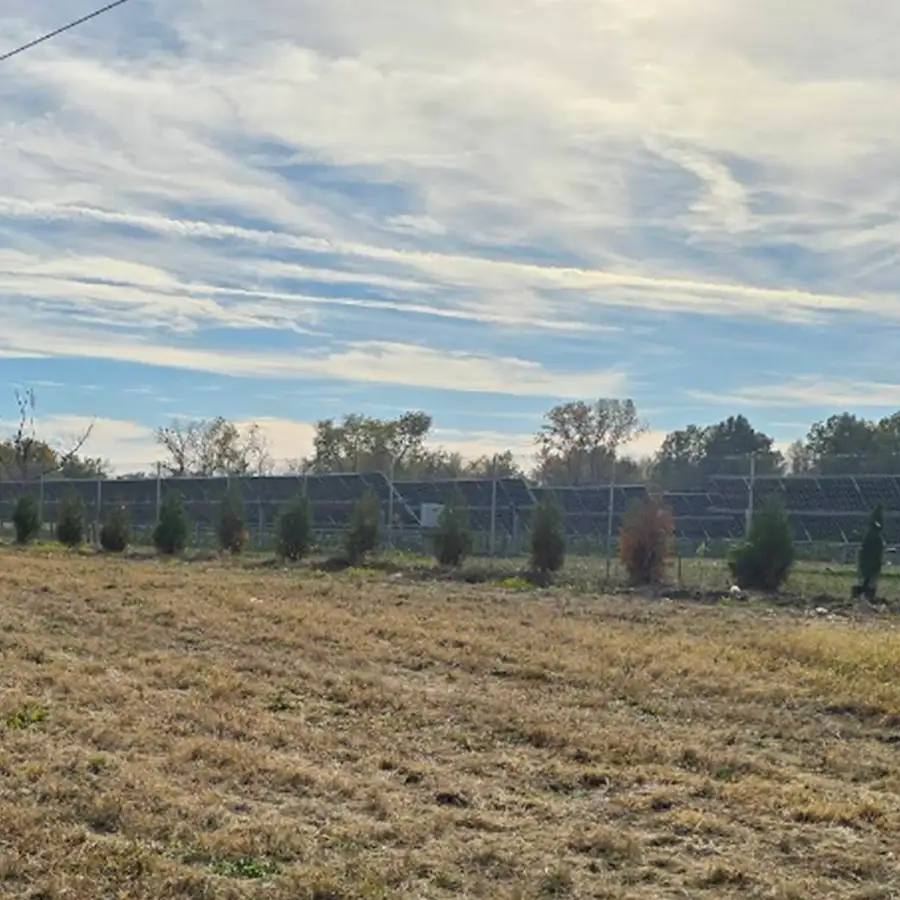
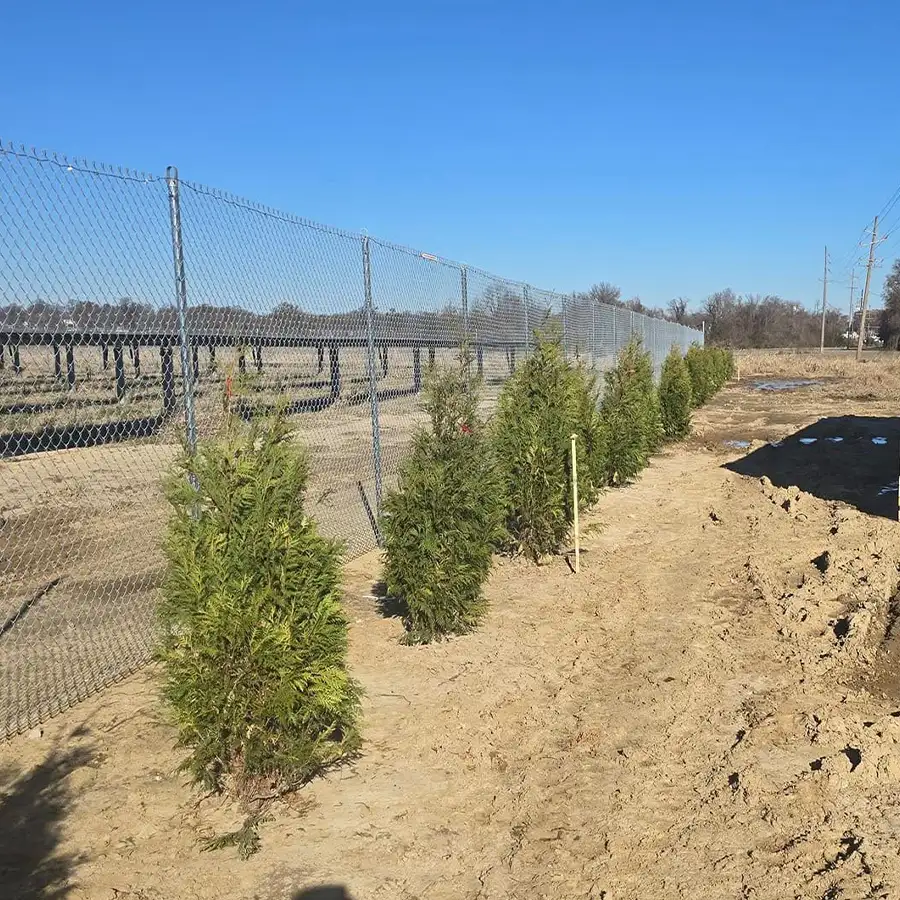
Solar vegetative screening is a strategic landscaping solution designed to visually soften and screen solar farms from nearby homes, roadways, and public areas while supporting long-term site performance. As solar development continues to expand across Illinois and surrounding regions, visual concerns are often one of the first topics raised by neighboring landowners and local officials.
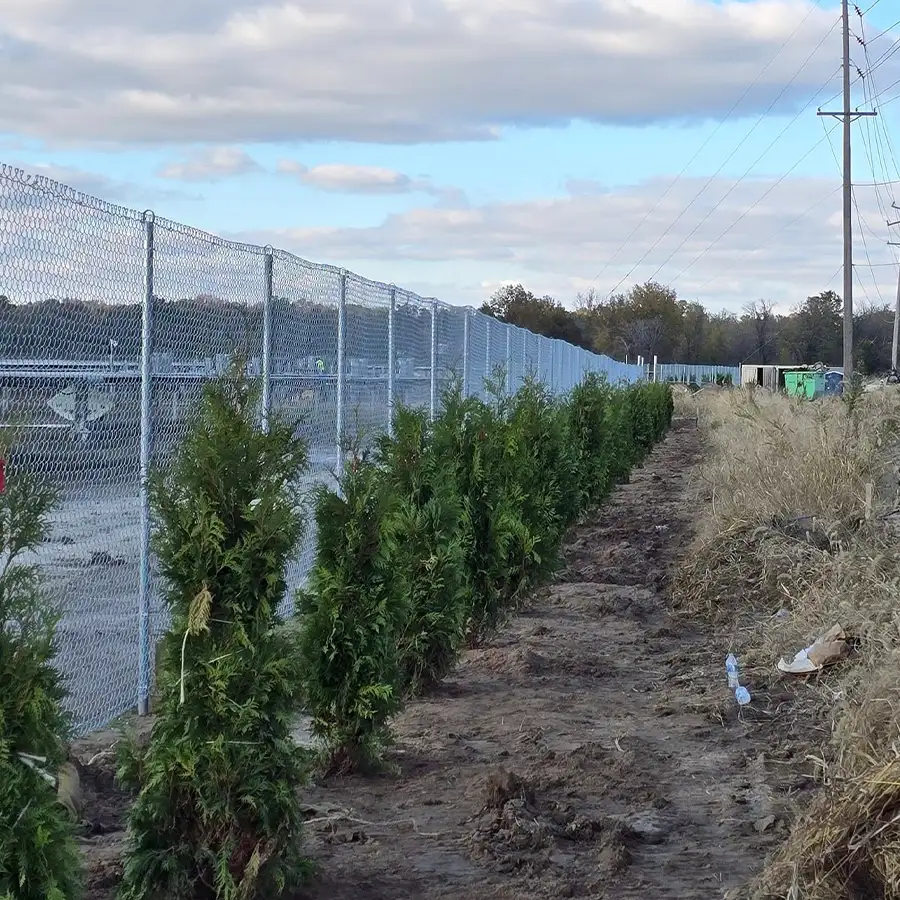
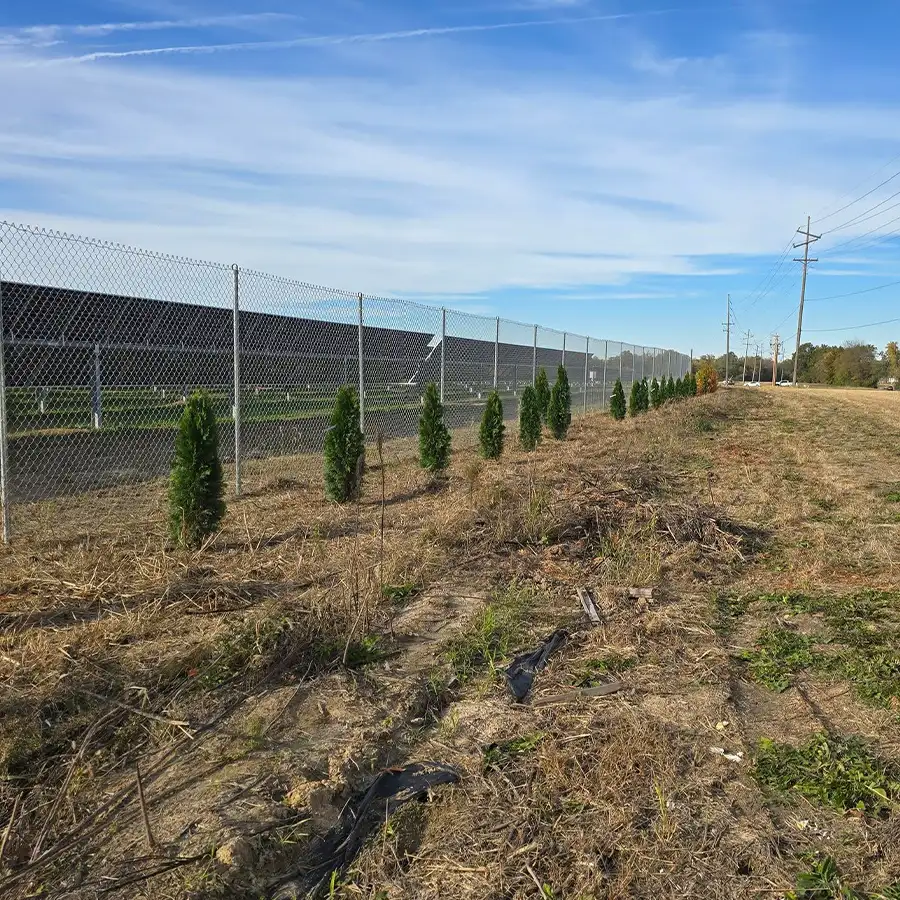
Solar vegetative screening addresses these concerns by using carefully planned plantings that blend solar infrastructure into the existing landscape. When implemented correctly, vegetative screening solar farms not only reduce the visual impact of panels, fencing, and equipment, but also demonstrate environmental responsibility and thoughtful land stewardship. This approach supports community acceptance, improves the overall appearance of solar project landscaping, and helps developers meet solar farm screening requirements established by zoning and permitting authorities. Solar farm vegetative screening also contributes to erosion control, habitat enhancement, and long-term site stability when designed with native and regionally appropriate vegetation.
At All Around Solar Screenings, our team understands how to balance aesthetics, function, and compliance to create screening solutions that last.
Contact us today to discuss professional solar vegetative screening solutions tailored to your project’s needs.
What Is Solar Vegetative Screening?
Solar vegetative screening refers to the intentional use of planted vegetation—such as native grasses, shrubs, and trees—to partially or fully block views of solar farm infrastructure. Unlike decorative landscaping, this approach is purpose-driven and designed to meet specific visual, environmental, and regulatory goals.
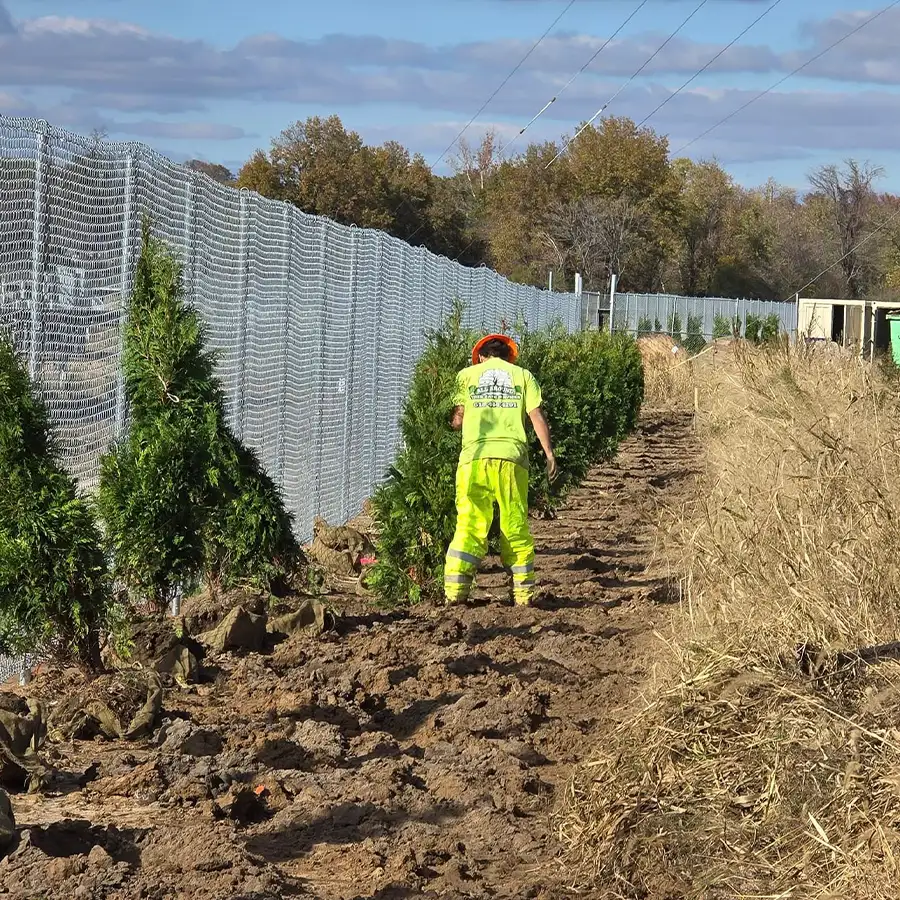
Solar farm vegetative screening is commonly installed along property boundaries, roadways, and neighboring residences where visual sensitivity is highest. The goal is not to hide solar farms entirely, but to reduce stark contrasts between industrial equipment and the surrounding rural or residential landscape. Effective solar visual screening requires careful planning to ensure plantings do not interfere with solar performance, access roads, or maintenance activities.
Vegetation selection, spacing, and placement are all coordinated to achieve long-term results while minimizing future issues.
Visual Screening for Solar Projects
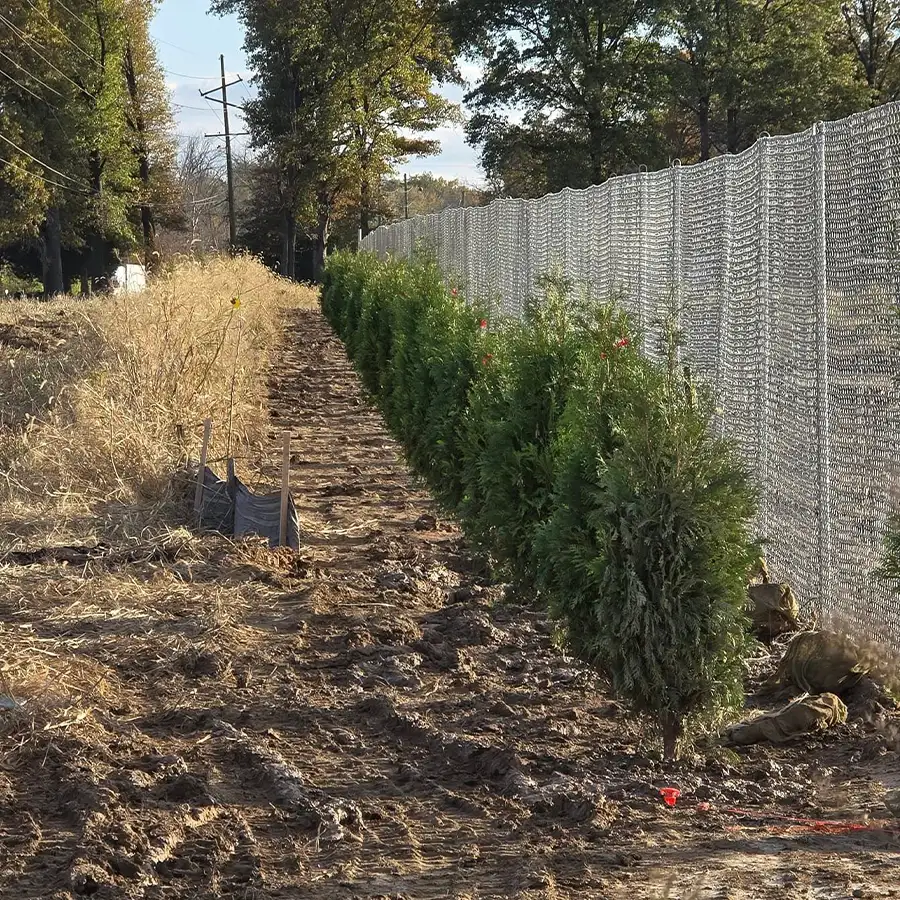
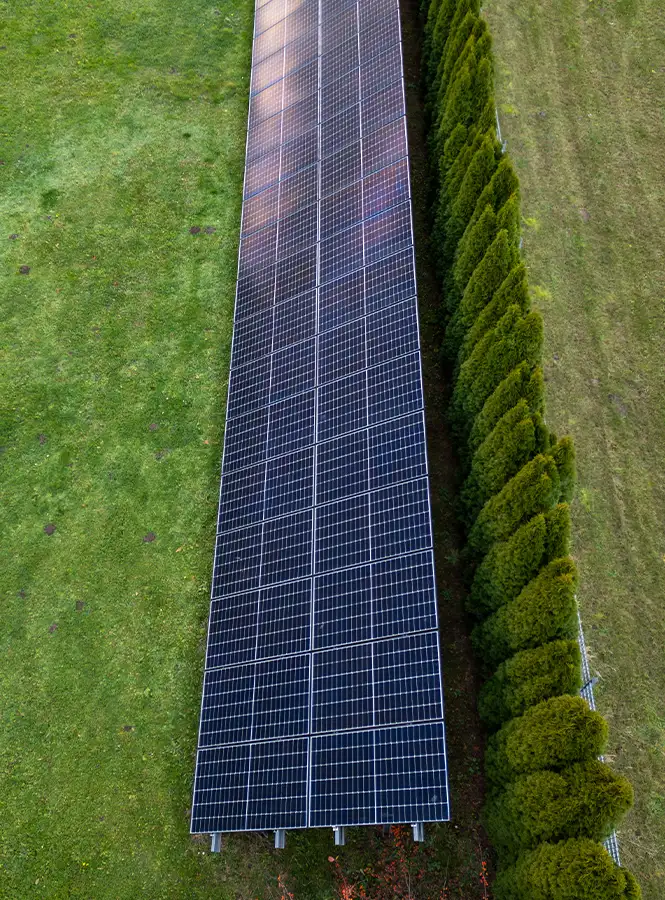
Visual screening for solar projects helps soften the appearance of panels, fencing, and associated equipment by creating a natural transition between the solar site and its surroundings. By integrating plantings into the existing environment, projects feel less intrusive and more compatible with neighboring land uses. If you are planning or upgrading a solar project, contact us to learn how professional vegetative screening can improve both appearance and compliance.
Contact our team today to learn more!
Why Vegetative Screening Is Important for Solar Farms
Visual impact is one of the most common concerns raised during solar project development, particularly in rural or residential areas where open views are highly valued. Vegetative screening directly addresses these concerns by reducing visibility while also providing long-term environmental benefits. Solar farm vegetative screening shows communities that developers are committed to responsible land use and thoughtful design. Beyond aesthetics, vegetative buffers for solar farms can help reduce dust, manage runoff, and create a more stable site environment. Properly designed screening also supports smoother zoning approvals and reduces objections during public hearings. When communities see that solar project landscaping has been planned with care, it builds trust and improves overall acceptance of renewable energy initiatives. Screening solutions that are tailored to site conditions and surrounding land uses tend to perform better over time and require fewer adjustments.
Community Acceptance and Aesthetics
- Reduces visibility of solar panels and infrastructure
- Preserves rural and scenic character
- Improves relationships with neighboring landowners
- Enhances public perception of solar development
If community relations and visual quality matter to your project, contact us today to discuss customized vegetative screening solutions.

Vegetation Used for Solar Vegetative Screening
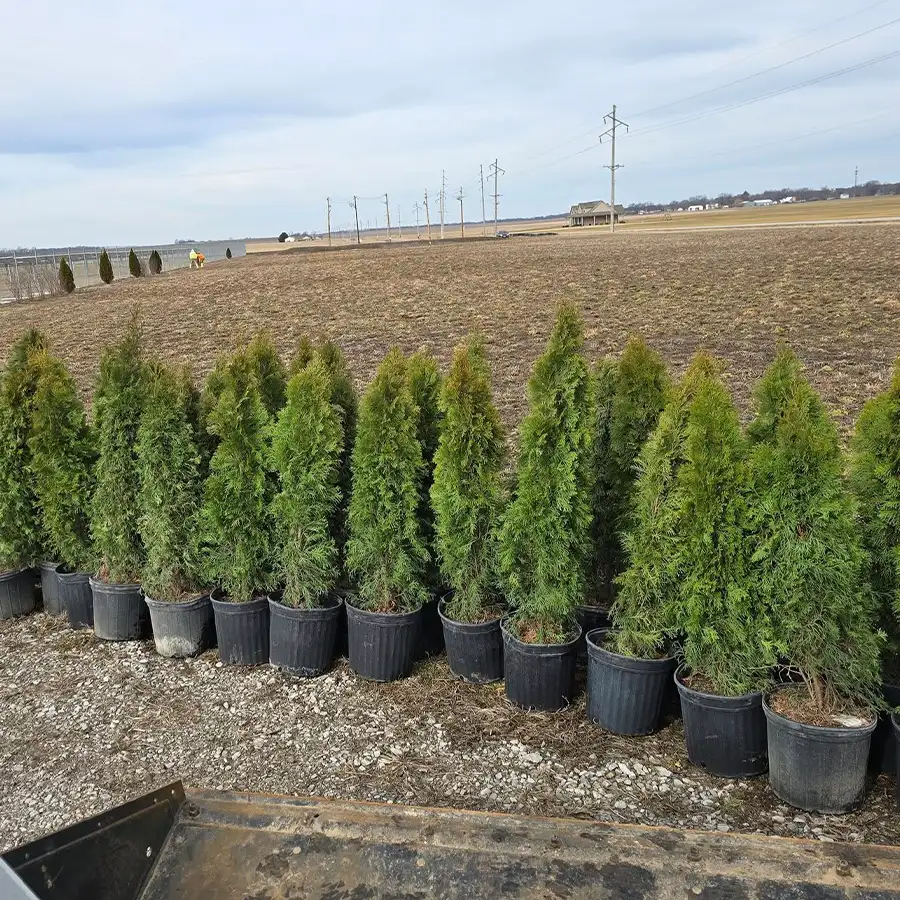
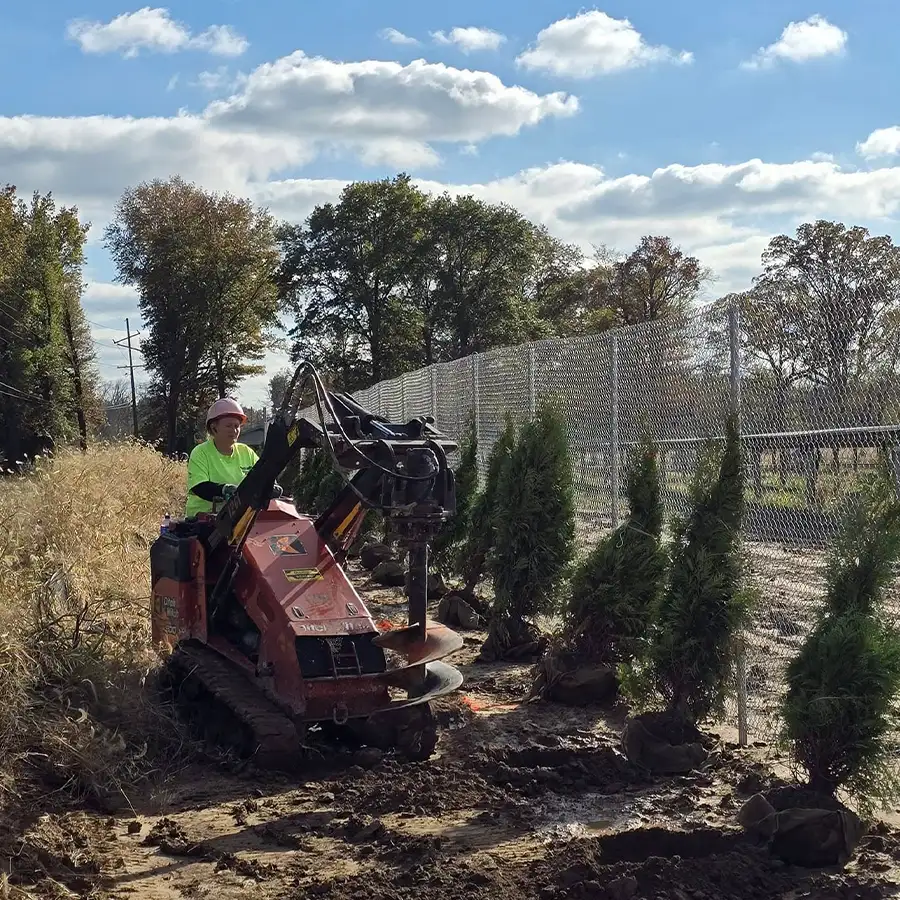
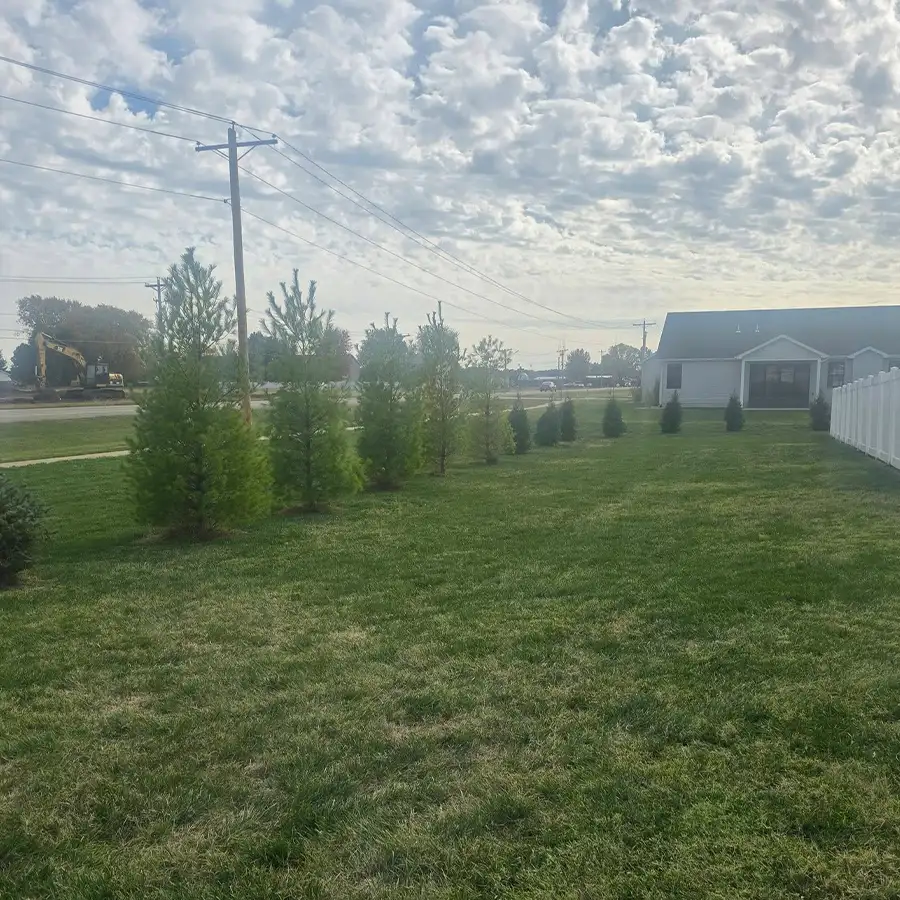
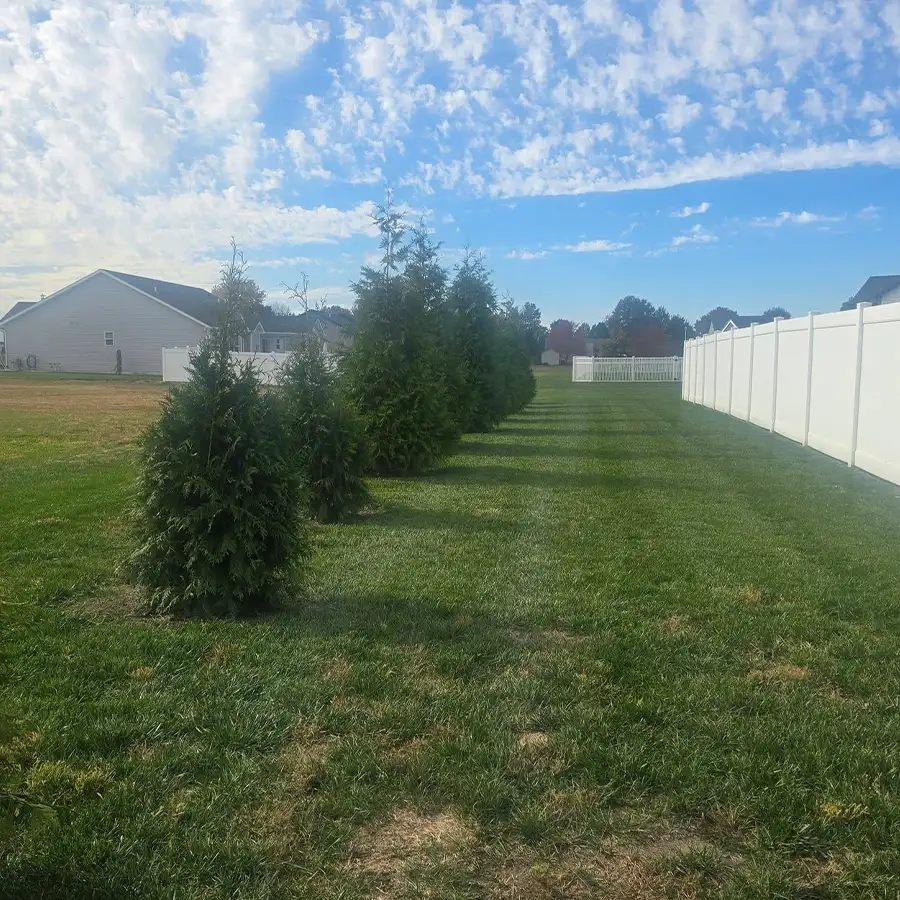
Vegetation used for solar vegetative screening is carefully selected based on screening effectiveness, site conditions, and long-term maintenance needs. Each solar site presents unique challenges, including soil composition, drainage patterns, wind exposure, and available space. Native grasses are often used for low-level screening and ground stabilization, while shrubs and hedgerows provide mid-height coverage that helps block direct sightlines. Trees may be incorporated where permitted to create taller visual barriers, especially along roadways or residential boundaries. Solar farm landscaping design must account for mature plant height, root systems, and seasonal growth patterns to avoid shading panels or interfering with equipment.
Common Solar Screening Plantings:
- Native grasses for low-level screening
- Shrubs and hedgerows for mid-height screening
- Trees for taller visual barriers where permitted
Plant selection prioritizes durability, growth habits, and compatibility with solar operations. By choosing vegetation that thrives in local conditions, solar project landscaping remains effective with fewer replacements and reduced long-term costs.
Contact us to develop a planting plan that balances performance, compliance, and visual appeal.
Design Considerations for Solar Vegetative Screening
Solar vegetative screening must be carefully designed to balance visual screening with safety, access, and system performance. Poorly planned screening can create maintenance challenges or interfere with solar operations, which is why professional planning is essential. Screening height and density must meet local solar farm screening requirements without blocking sightlines at roadways or entrances. Setbacks from panels, fencing, and underground utilities are also critical to ensure long-term functionality. Solar visual screening designs must consider how plants will grow over time, not just how they appear at installation. Maintenance access for mowing, repairs, and inspections must remain unobstructed. Stormwater flow and erosion control should also be factored into planting layouts to prevent drainage issues.
Key Design Factors:
- Required screening height and density
- Sightline and roadway safety
- Setbacks from panels, fencing, and utilities
- Long-term growth and maintenance needs
- Compatibility with stormwater management
Thoughtful design ensures screening remains effective throughout the life of the project. Contact us to plan a compliant and sustainable vegetative screening layout.
Vegetative Screening and Regulatory Requirements
Many jurisdictions require vegetative screening as part of solar farm permitting and zoning approvals, making it a critical component of project planning. Local ordinances often specify screening height, plant types, and density requirements that must be met before construction can proceed. Solar farm vegetative screening plans are frequently reviewed alongside site layouts, fencing designs, and access routes. Failure to address these requirements early can lead to delays, redesigns, or additional costs. Well-prepared screening plans demonstrate compliance and show regulators that visual impacts have been thoughtfully addressed.
Well-designed vegetative screening helps meet:
- Local landscaping and screening ordinances
- Conditional use permit requirements
- Solar farm design standards
Early integration of screening plans can streamline the approval process by reducing questions and objections during reviews.
Contact us to ensure your screening strategy supports smooth permitting and regulatory approval.
Looking for Tree Care Services?
Vegetative Screening vs. Buffer Zones & Pollinator Habitats
Solar vegetative screening serves a different purpose than other landscape elements used on solar sites, even though they often work together. Vegetative screening is primarily focused on reducing visual impact and addressing community concerns, while buffer zones and pollinator habitats serve additional environmental functions. Understanding these differences helps developers design comprehensive solar project landscaping plans that meet multiple goals:
- Vegetative screening focuses on visual impact reduction
- Solar farm buffer zones provide separation and environmental protection along site boundaries
- Pollinator habitat supports biodiversity within the solar farm footprint
While solar vegetative screening, solar farm buffer zones, and solar farm pollinator habitats are often planned together, each serves a distinct and important role within overall solar project landscaping. Vegetative screening is primarily focused on reducing visual impact by limiting views of solar panels, fencing, and equipment from neighboring properties and roadways. In contrast, solar farm buffer zones are designed to create physical separation along site boundaries, helping protect adjacent land uses, manage stormwater runoff, and reduce potential environmental impacts. Pollinator habitats serve yet another purpose by supporting biodiversity within the solar farm footprint, providing food and shelter for bees, butterflies, and other beneficial insects that contribute to healthier ecosystems.
Although these landscape elements may overlap in certain areas, understanding their differences allows developers to design more effective, compliant, and multifunctional solar sites. Thoughtfully integrating solar farm vegetative screening with buffer zones and pollinator habitat improves regulatory compliance, enhances environmental benefits, and strengthens community acceptance of renewable energy projects.
To learn more about solar farm buffer zones and solar farm pollinator habitats, contact us today. We can develop an integrated landscape plan tailored to your solar project.

Integrating Solar Farms into the Landscape
Solar vegetative screening plays a vital role in helping renewable energy projects coexist with surrounding communities by balancing clean energy goals with visual sensitivity.
Thoughtful screening allows solar farms to blend into the natural environment rather than stand out as industrial features. By using native and regionally appropriate vegetation, solar farm vegetative screening enhances the landscape while supporting environmental stewardship. This approach shows respect for neighboring properties, local character, and long-term land use planning.
Well-integrated solar sites are more likely to gain public support, experience fewer conflicts, and remain viable throughout their operational lifespan. When solar visual screening is designed and maintained correctly, it becomes an asset rather than an afterthought.
Contact All Around Solar Screenings today to learn how professional solar vegetative screening can help your project integrate seamlessly into the surrounding landscape.