
Sustainable Screening, Buffering, and Habitat Development
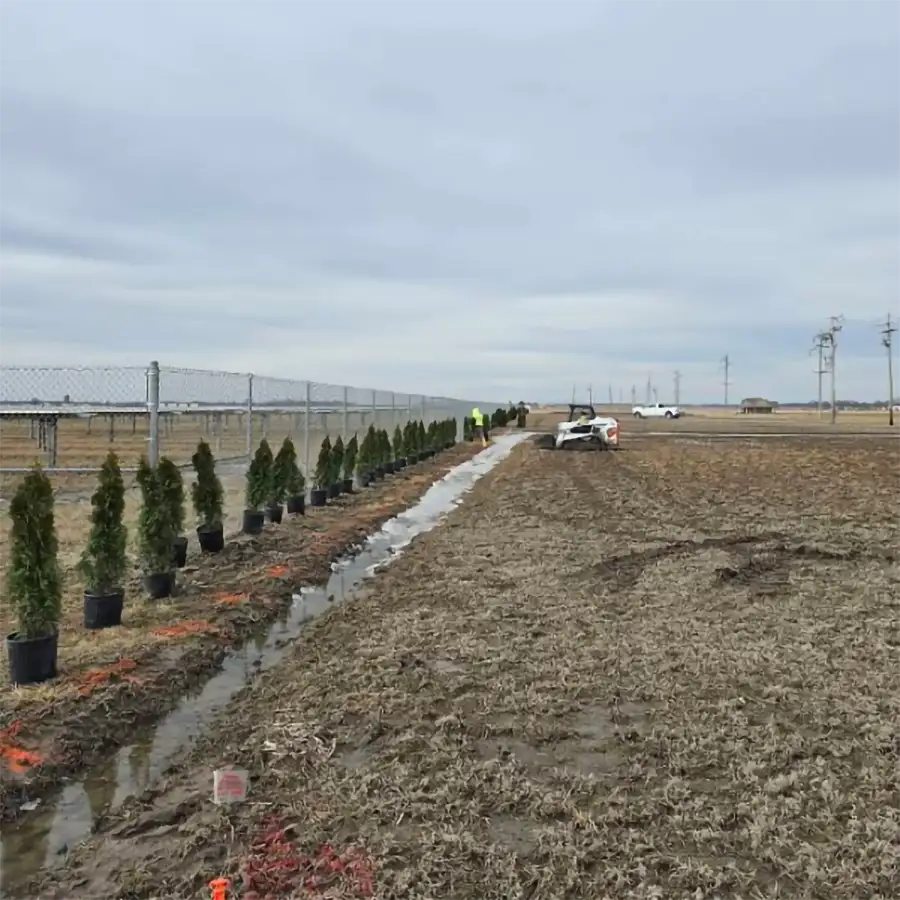
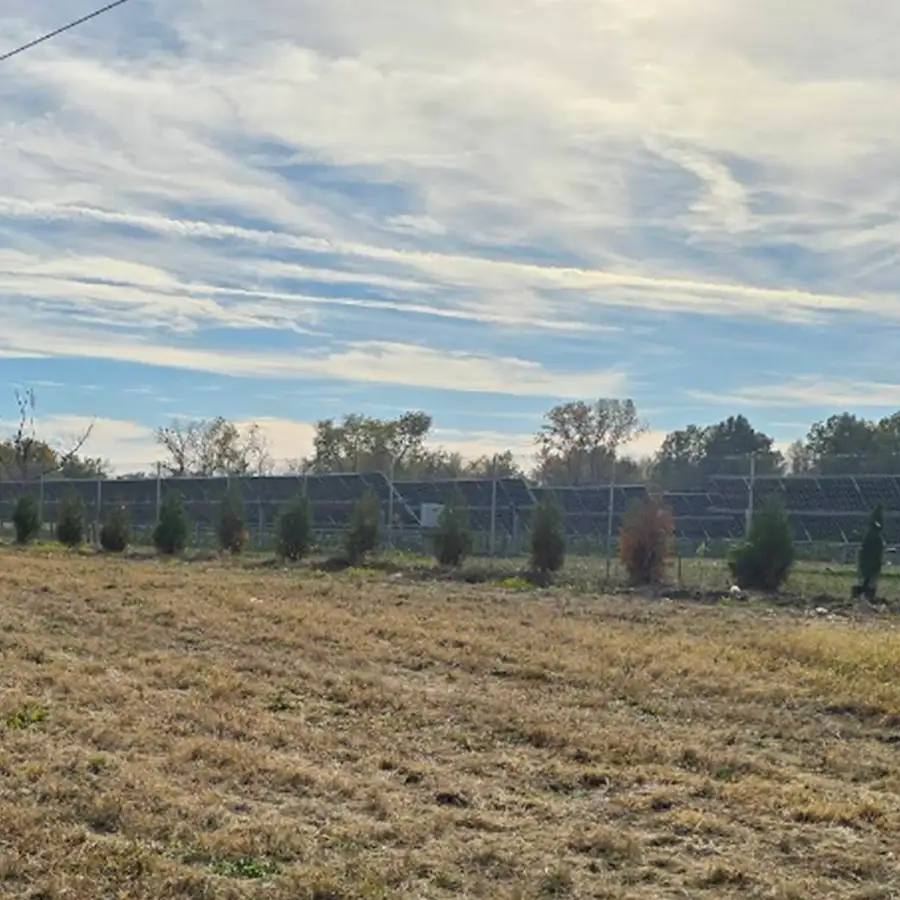
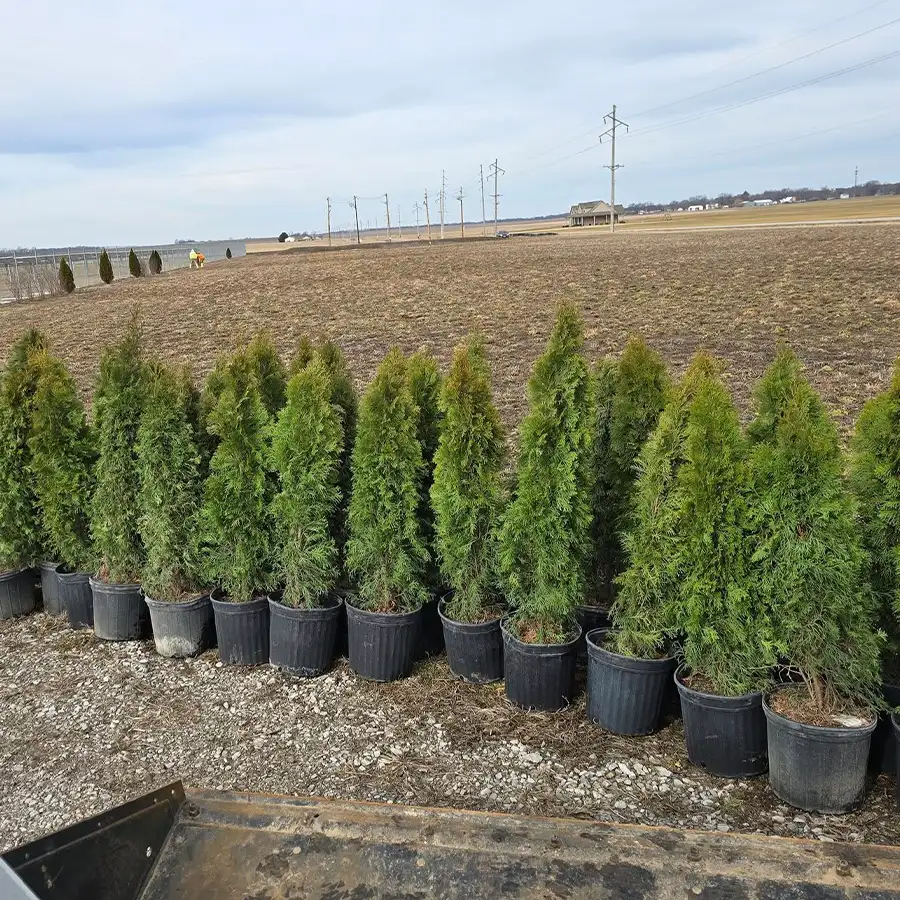
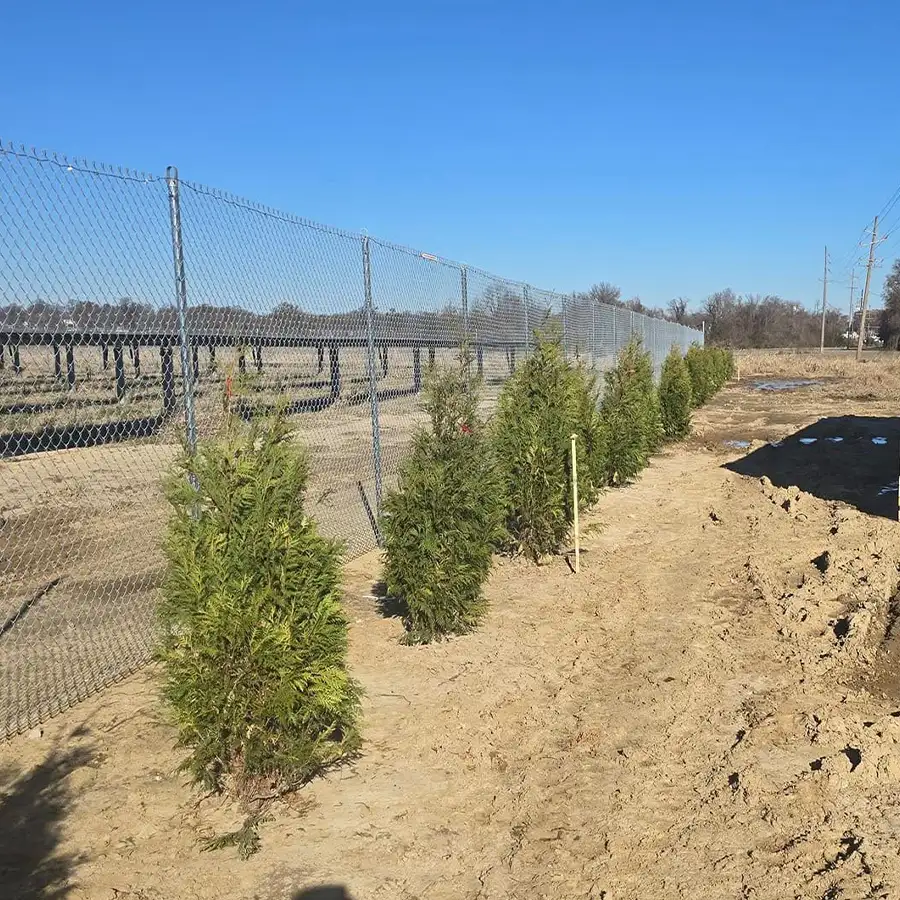
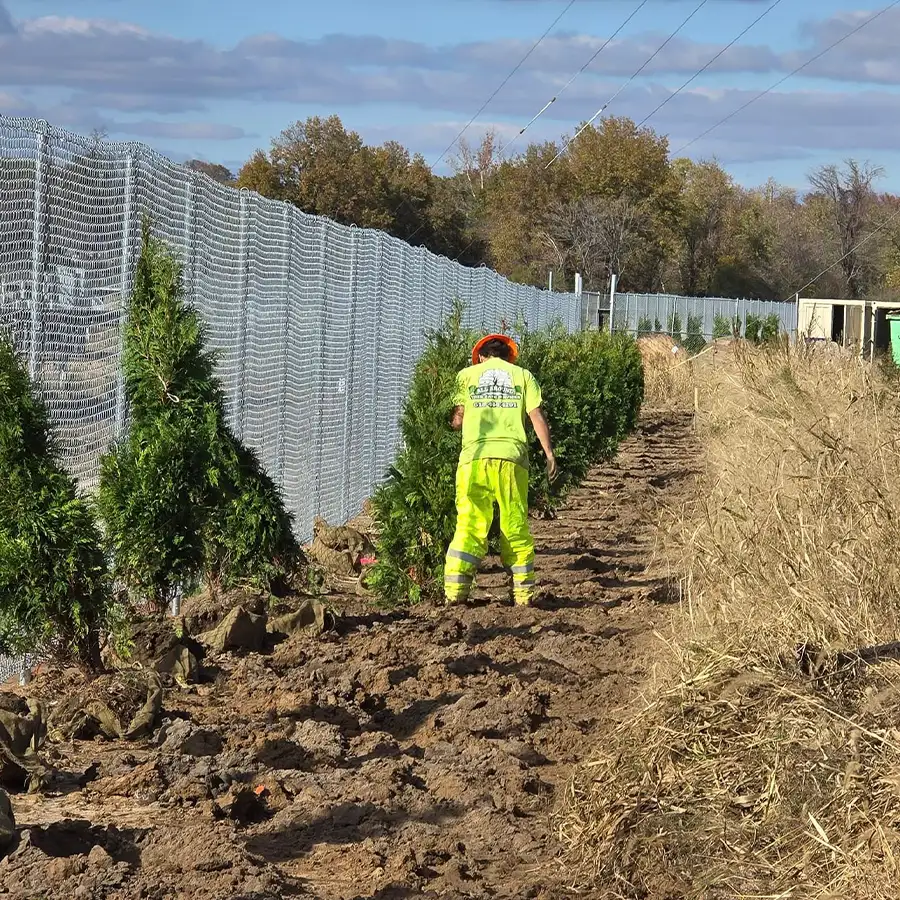
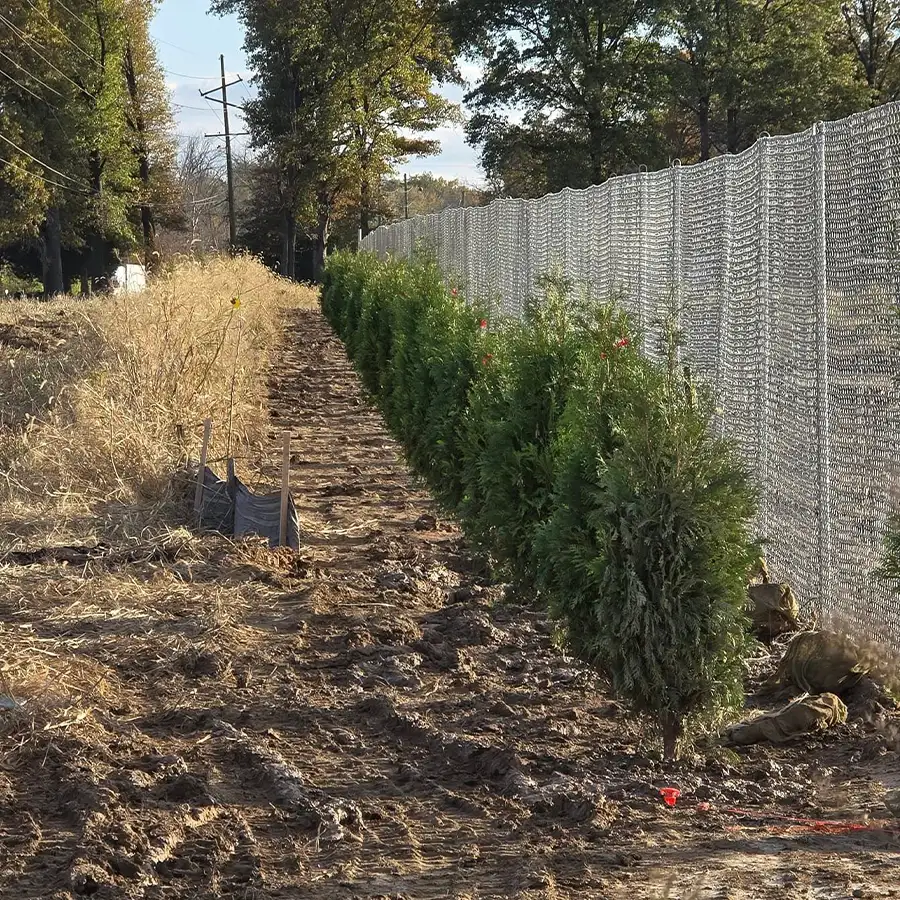
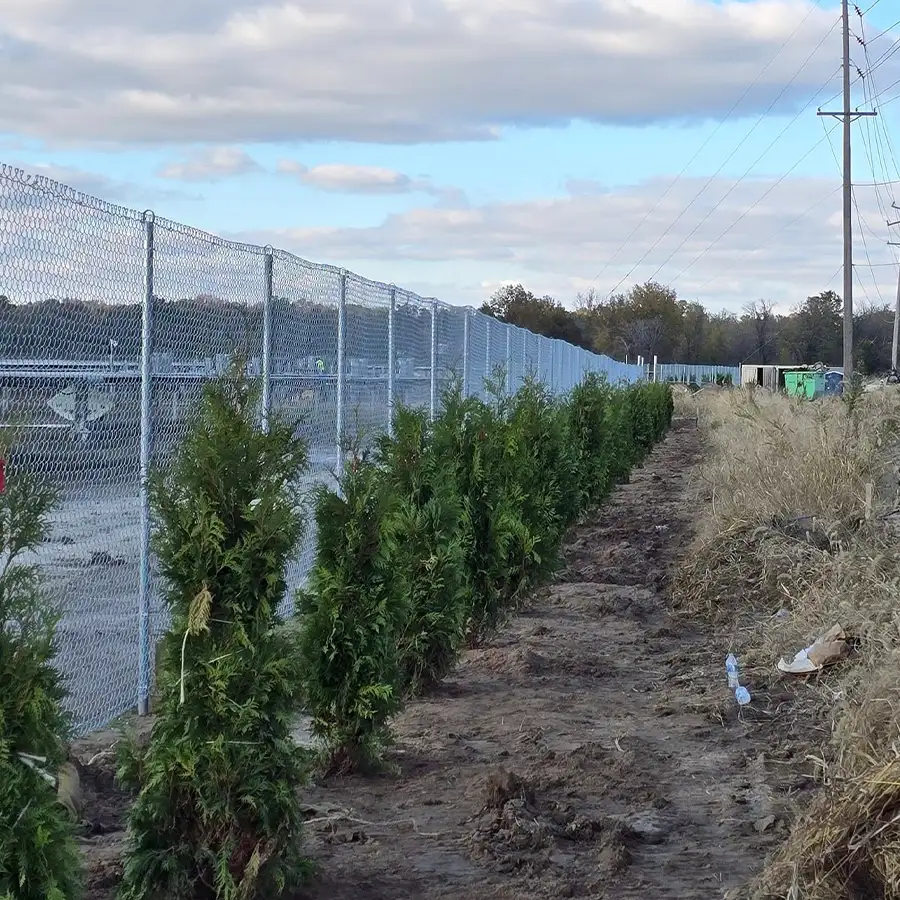
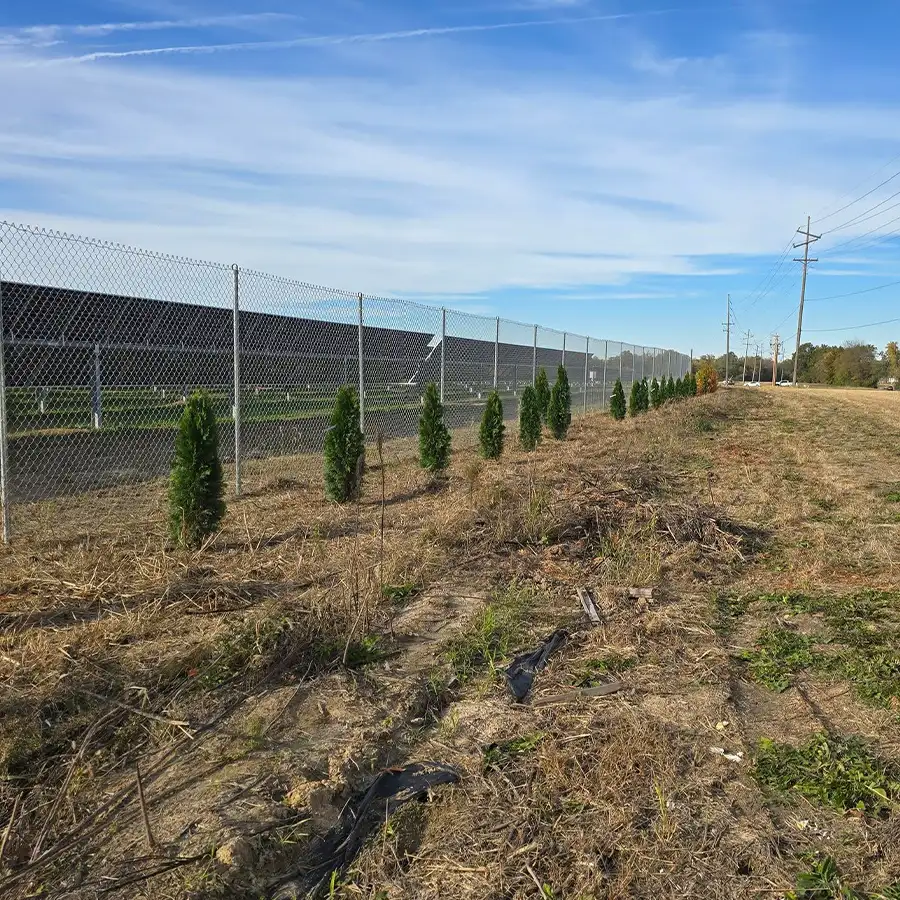
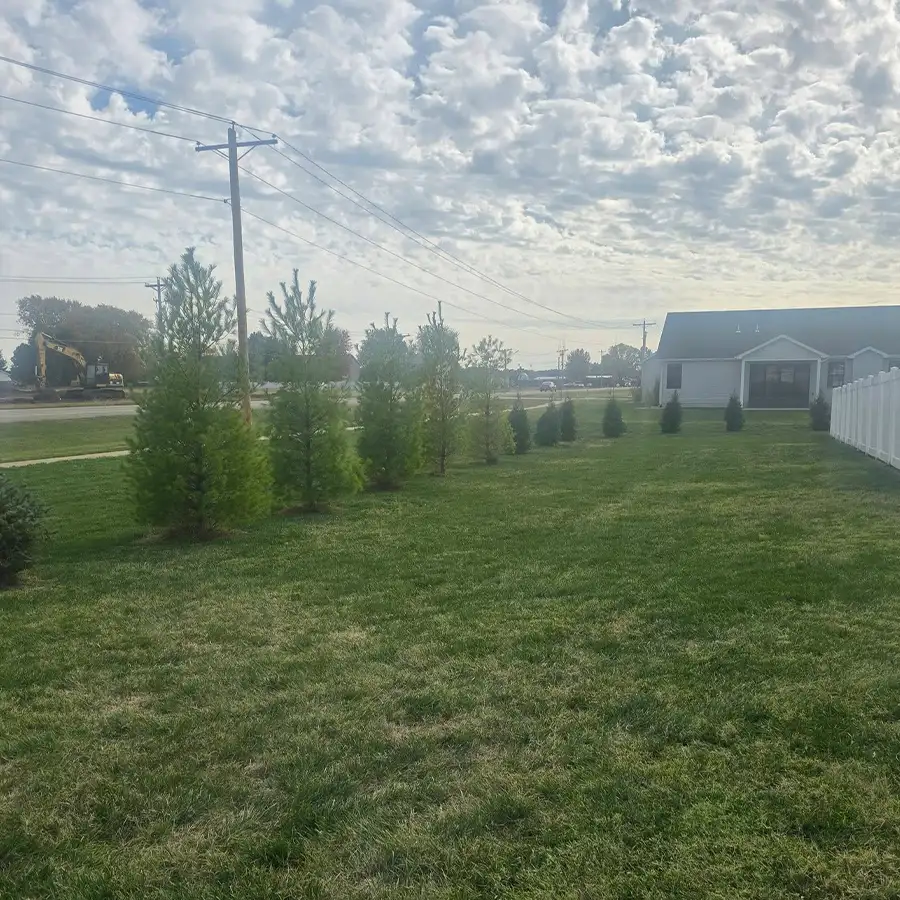
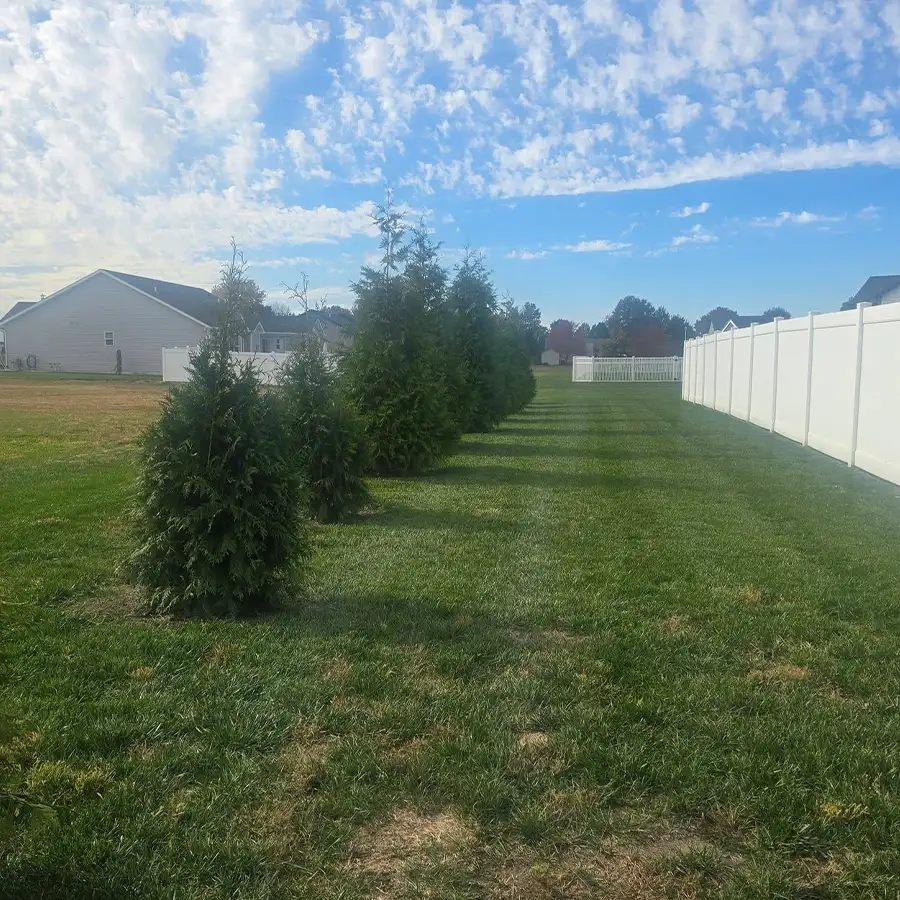
All Around Solar Screenings specializes in environmentally responsible land solutions designed specifically for solar energy projects. From solar vegetative screening to buffer zone planning and pollinator habitat installation, we help balance renewable energy development with community aesthetics and ecological health. Our team carefully selects native plant species that thrive locally, promote biodiversity, and provide long-term screening benefits for neighboring properties and roadways.
Well-designed solar farm buffer zones are often required and play a critical role in minimizing visual impact, glare, noise, and soil erosion. By incorporating evergreen plantings, layered vegetation, and optional berms, we create effective year-round screening that enhances site appearance while meeting project requirements. Pollinator habitats further strengthen sustainability goals by supporting local ecosystems and improving land value over time.
Native Plant Selection & Strategic Design:
We use native trees, shrubs, and grasses chosen for durability, growth patterns, and year-round coverage. Each design is tailored to the site to ensure long-lasting performance and visual effectiveness.
Environmentally Responsible Land Solutions:
Our approach prioritizes ecological balance while supporting solar infrastructure needs. Every project is planned with sustainability, compliance, and long-term land health in mind.
A Vegetative Management Company Built on Trust, Safety, and Quality Results
Why You Should Choose Us
When you choose All Around Solar Screenings, you’re choosing a team committed to quality, safety, and honest service. We take pride in delivering dependable results backed by experience and a strong local reputation.

Experienced Professionals
Our hardworking professionals bring extensive knowledge and hands-on expertise to every job. We take the time to evaluate your needs and recommend the most effective solutions.
Quality Results
We focus on proper installation, plant health, and long-term performance. Our attention to detail ensures effective screening and sustainable growth.
Safety-Focused & Detail-Driven
Safety-Focused & Detail-Driven Approach: Safety and precision guide every phase of our work. We follow proven methods to protect people, property, and project timelines.
Sustainability & Community
We design solutions that enhance aesthetics, support biodiversity, and improve land usability. Our goal is to create lasting value for solar developers and neighboring communities alike.
Maintenance of Solar Vegetative Screening
Vegetative screening is designed for long-term performance with manageable upkeep when installed correctly. The establishment phase is critical, as young plants require proper watering and monitoring to ensure successful growth. Over time, periodic trimming or pruning may be needed to maintain desired height and density without interfering with solar equipment. Invasive species control helps protect native plantings and prevents competition that could weaken screening effectiveness. Occasionally, individual plants may need replacement due to weather, soil conditions, or wildlife damage.
Long-Term Management Practices:
- Establish watering and early care
- Periodic trimming or pruning
- Invasive species control
- Replacement of unsuccessful plantings
Proper maintenance ensures screening remains effective over the life of the solar project and continues to meet visual and regulatory expectations.
Contact us to discuss maintenance planning and long-term care options for your solar site.
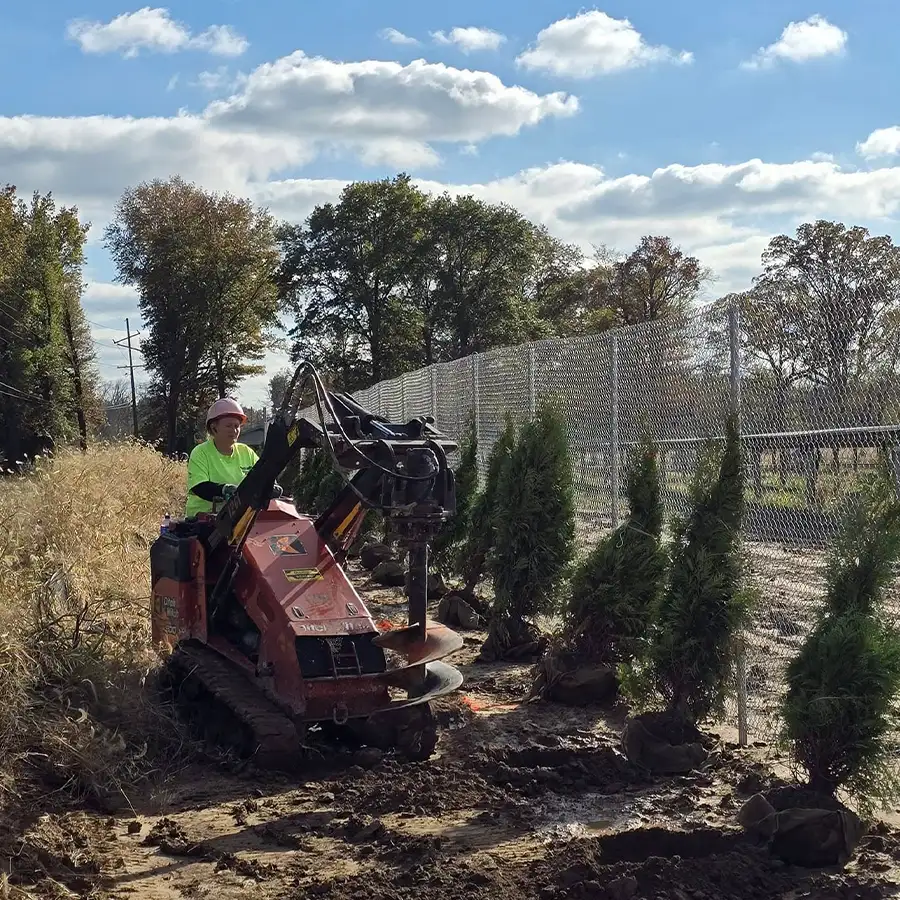
- We use low impact to ground and soil Avant articulating loader.
Frequently Asked Questions
Answers to Your Common Concerns
Question 1: What Is Solar Vegetative Screening?
Solar vegetative screening refers to the use of planted vegetation—such as native grasses, shrubs, and trees—to partially or fully screen solar infrastructure from view.
Question 2: Why is Vegetative Screening Important for Solar Farms?
Visual impact is one of the most common concerns raised during solar project development. Vegetative screening directly addresses these concerns while providing additional environmental benefits:
- Reduces visibility of solar panels and infrastructure
- Preserves rural and scenic character
- Improves relationships with neighboring landowners
- Enhances public perception of solar development
Question 3: What Is Pollinator-Friendly Solar?
Pollinator-friendly solar refers to the intentional establishment of native flowering plants and grasses within a solar farm. These habitats are typically planted beneath solar panels, between panel rows, and in open areas within the project footprint.
Solar arrays create ideal conditions for pollinator habitat by limiting disturbance and allowing native plants to establish over the multi-decade lifespan of a solar project.
Question 4: What are the Environmental Benefits of Pollinator Solar Farms?
Pollinator habitat on solar farms provides multiple environmental benefits:
- Increased biodiversity and pollinator populations
- Improved soil health and reduced compaction
- Reduced erosion and improved stormwater infiltration
- Carbon sequestration through deep-rooted native plants
Question 5: What Are Solar Farm Buffer Zones?
A solar farm buffer zone is a designated area between solar infrastructure and adjacent properties, roads, or natural resources.
Buffer zones help integrate solar projects into the surrounding landscape while supporting long-term project performance and regulatory compliance.
Some of Our Work
Clinton County: 355 Units Installed
St. Clair County: 248 Units Installed